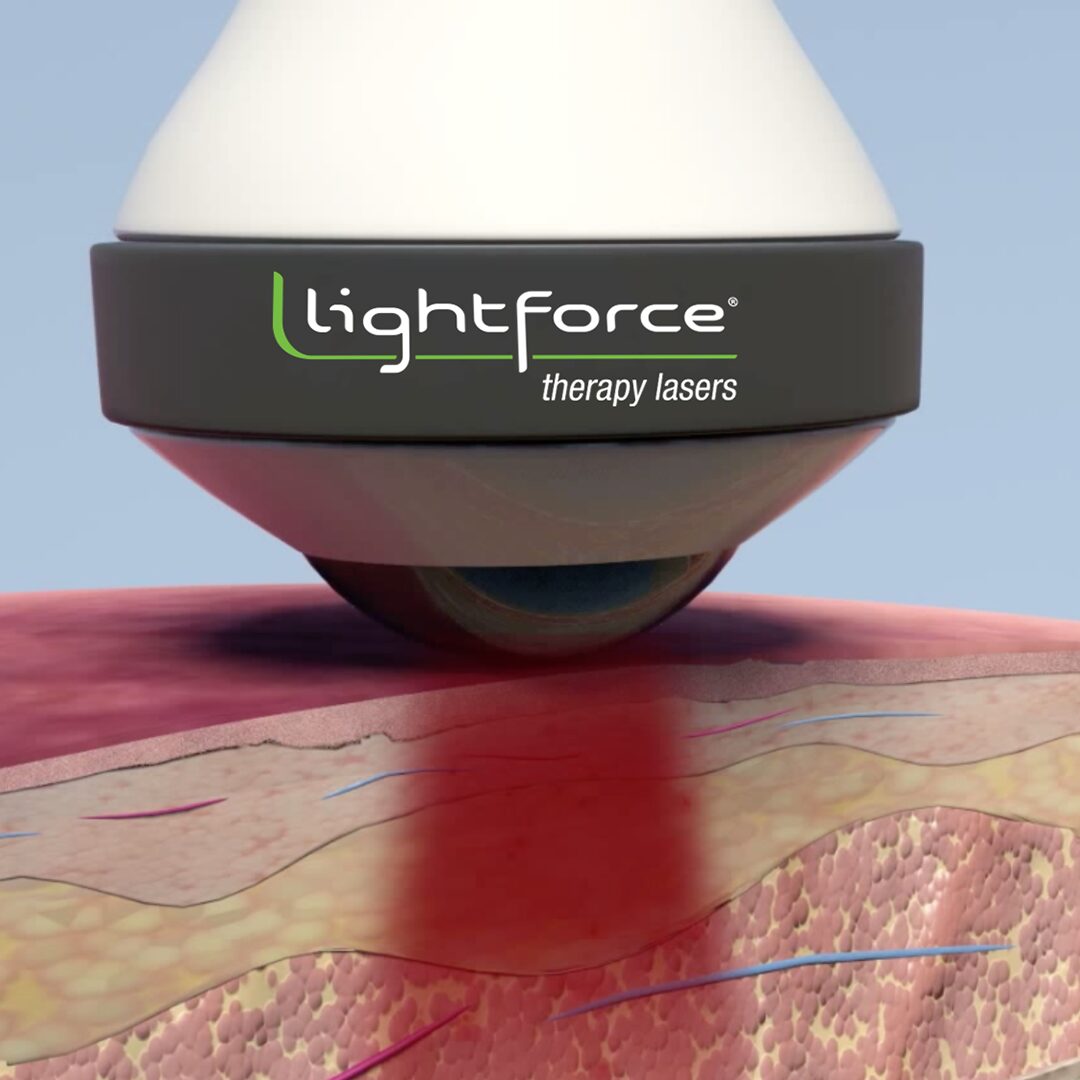
Class IV laser therapy devices are reshaping pain management and healing, delivering new options that harness the power of light that facilitate tissue healing as well as reduce inflammation. As medical experts continue to seek effective, non-invasive treatment options to address various ailments, the demand for cutting-edge laser therapy has been growing. Gaining insight into the functionality of these devices along with the important features to consider empowers professionals to make informed decisions and enhance patient outcomes.
Throughout this study of Class 4 laser therapy, we will delve into the key components that define these machines, covering aspects like power settings, wavelength options, and treatment strategies. Whether you are a medical practitioner, PT, or animal health specialist, knowing how to choose the best Class 4 laser device can make all the difference for ensuring optimal outcomes. From safety features and compliance with FDA regulations and the necessity of ergonomic design, this document will guide you through the intricacies of laser therapy tech and its uses in contemporary healthcare.
Key Features of Class 4 Laser Therapy Devices
When a Class 4 laser therapy device, several key features play a crucial role in ensuring effective treatment. Primarily, the power output of the device must be considered, as Class 4 lasers typically operate from 1 watt and 25 watts. This high power facilitates deeper tissue penetration and faster treatment times, making it indispensable for conditions that require intense and deep healing. Understanding how try this affects the therapy's efficacy is vital for both practitioners and patients.
Additionally important feature to look for is the wavelength of the laser. Different wavelengths pass through tissue at varying depths and can target certain conditions more effectively. For example, wavelengths in the range of 800 to 1100 nanometers are commonly used for deeper tissue treatments, while shorter wavelengths may be more suitable for superficial injuries. Selecting the right wavelength can significantly enhance the outcomes of the therapy and enhance the overall healing process.
Mobility and ease of use are also key attributes of Class 4 laser therapy devices. Based on the clinical setting, practitioners may require equipment that is easy to transport for in-home visits or portable enough to fit into smaller therapy rooms. Additionally, ergonomic design and user-friendly interfaces improve the overall experience and efficiency during treatments. Ensuring the device has adjustable settings for power and treatment protocols further customizes patient care, allowing practitioners to tailor therapies to individual needs.
Grasping Energy and Wave Length in Laser Therapy
The energy output of a Class 4 laser therapy device is a key factor in its efficacy. Typically quantified in watts, the energy output defines the depth of tissue penetration and the speed of healing response. Increased power levels can lead to more rapid treatment times and more substantial therapeutic effects, making it crucial to choose a device with an appropriate wattage for the desired application. It is vital to balance the energy output with the specific needs of the client, as excessive energy can occasionally lead to discomfort or soft tissue damage.
Wave length plays an just as important role in the effectiveness of laser therapy. Various wave lengths go through tissues to different depths, which means choosing the right wavelength is key for targeted treatments. For instance, greater wavelengths (around 800 to 1000 nanometers) are taken up better by deeper tissues, making them perfect for issues involving muscle and joint pain. In contrast, shorter wavelengths (around 600 to 700 nanometers) are more beneficial for surface-level issues, such as skin conditions or small injuries. Grasping these characteristics helps clinicians select the best treatment approach for their patients.
In conclusion, the synergy between energy output and wave length can significantly improve treatment outcomes. Clinicians must consider the specific condition being treated and the patient's unique anatomy when selecting a Class IV laser therapy device. By guaranteeing the correct combination of energy and wavelength, healthcare professionals can maximize the treatment benefits and enhance patient satisfaction with their laser therapy sessions.
Protection and Adherence in Class 4 Laser Systems
When choosing a Class 4 laser therapy instrument, confirming security and conformance is paramount. These devices are bound by rigorous standards and must have FDA clearance, indicating they have met essential security criteria. Adherence with protection guidelines reduces the likelihood of mishaps and ensures that the device provides therapeutic value without harmful side effects. This approval not only confirms the effectiveness of the device but also establishes reliability among healthcare practitioners and individuals alike.
In addition, the security elements incorporated into Class 4 lasers play a key part in their use. Many devices are loaded with protective safeguards such as security locks, indicator lights, and self-activated shut-off systems. These characteristics help safeguard operators and individuals from likely hazards associated with laser use. When assessing instruments, practitioners should focus on models that incorporate comprehensive protection elements to enhance user confidence and foster safe therapy methods.
Education and assistance provided by the manufacturer also significantly add to safety and adherence. Proper training ensures that healthcare professionals are aware about the device's use, including security standards and treatment processes. Manufacturers that provide robust education programs and persistent assistance can help users amplify the tool's capabilities while reducing risks. In https://genteel-aloe-z9bf3c.mystrikingly.com/blog/revealing-the-power-of-illumination-level-4-laster-treatment-clarified , a devotion to compliance and security not only safeguards clients but also elevates the quality of treatment in laser treatment.