

Class 4 light therapy devices are transforming the way medical practitioners approach pain relief and recovery. With developments in tech, these advanced devices offer enhanced treatment choices for a variety of issues, making them an indispensable tool in contemporary healthcare and animal practices. Understanding the key aspects and developments in Class 4 light treatment can equip professionals to make wise choices that benefit their animals and enhance treatment results.
In this article, we will discuss the critical considerations when choosing a Class 4 light therapy system, from comprehending energy output and color choice to evaluating safety aspects and medical uses. As we investigate these topics, we aim to provide valuable insights that will help you navigate the changing field of light treatment and choose the best device for your specific needs. Whether you are a experienced practitioner or new to the field, keeping abreast on the latest advancements in Class 4 laser tech is essential for achieving best outcomes in pain management and healing.
Key Features of Class 4 Laser Therapy Devices
When considering Class 4 laser therapy devices , it's essential to focus on critical aspects that enhance their performance and functionality. One of the most important elements is the power output, typically measured in watts. A greater power level allows for deeper tissue penetration, facilitating more effective pain relief and healing. Additionally, adjustable power settings are crucial, enabling practitioners to adapt the treatment intensity based on individual patient needs. This ability to adjust can improve treatment outcomes and increase patient comfort.
Laser wavelength is another critical feature that significantly impacts the efficacy of laser therapy. Different conditions react more favorably to specific wavelengths, so it’s essential choose a device that offers a variety of wavelengths or that is specifically designed for the intended treatment. For instance, wavelengths in the range of 800 to 1000 nanometers are commonly used for deep tissue treatments, while those in the shorter wavelengths may be more appropriate for surface treatments.
Ease of transport also plays a vital role when selecting a Class 4 laser device. Practitioners must weigh the significance of portability against the features needed for successful therapy. Portable units provide flexibility for use in various settings such as homes or treatment centers, while stationary devices may offer more robust specifications and features. Ultimately, the choice between the two is based on the purpose and the particular treatment requirements.
Understanding Energy and Frequency for Effective Therapy
Energy output is a critical factor during choosing a Class 4 laser therapy device. Devices in this class typically range from 0.5 watts to 25 watts, with increased wattage allowing for deeper tissue penetration and quicker treatment times. It is important to note that increased power does not always mean better treatment; it must be matched appropriately with the condition being treated. Understanding how to adjust power settings can significantly enhance treatment effectiveness, providing ideal dosing to reach the target tissues without causing damage.
Wavelength is another vital element that influences how a laser interacts with biological tissues. Lasers emit light at specific wavelengths, which can determine the absorption characteristics of different tissues. For instance, wavelengths around eight hundred to 1000 nanometers are generally more effective for penetrating soft tissues, while wavelengths in the range of 600 to 700 nanometers are often more suitable for superficial treatments. Choosing the appropriate wavelength is essential to ensure that the laser light effectively stimulates healing processes and alleviates pain.
When combining power output and wavelength, clinicians can achieve specific outcomes tailored to individual patient needs. This combination not only enhances treatment results but also expands the clinical applications of laser therapy. Grasping these principles provides practitioners with the resources needed to optimize their use of Class 4 laser therapy devices, ultimately leading to more successful patient outcomes.
Security, Compliance, and Assistance in Class 4 Laser Therapy
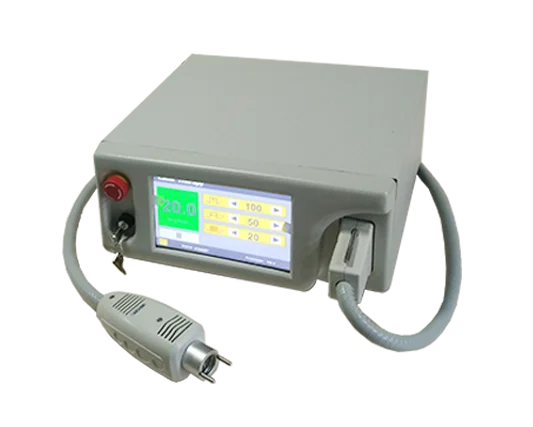
When spending money in a Class 4 laser therapy device, protection and adherence should be your primary concerns. Ensure that the device has obtained FDA approval, which indicates that it meets rigorous security standards for medical devices. This approval not only provides assurance regarding the safety of the treatment but also testifies to the effectiveness of the device in clinical settings. Always confirm for certifications and safety features such as automatic shut-off and safety eye gear to minimize risks during use.
Training and support from the manufacturer are equally vital aspects to consider. Many manufacturers supply training programs for clinicians to ensure they can manage the device safely and competently. Look for those that provide thorough user manuals, online resources, and customer service support. This can significantly enhance your confidence in using the device and ensure that you are prepared to tackle any technical or operational issues that may come up.
Lastly, guarantee and customer support cannot be ignored when selecting a Class 4 laser therapy device. medical-grade photobiomodulation lasers will protect your investment and provide confidence that the manufacturer backs their product. It is equally crucial to have access to dependable customer support for problem-solving and maintenance. Investing in a device with good support can ensure a hassle-free experience and sustained satisfaction with your Class 4 laser therapy device.